

The Cultural Phenomenon of Loteria: A Deep Dive
Loteria, a beloved traditional game that originated in Mexico, holds a significant cultural footprint within the Latin American community. Known for its vibrant imagery and the communal bond it fosters, Loteria has captivated generations. Today, variations like PT717 continue to evolve the game's reach, reflecting both historical significance and contemporary adaptations.
A Brief History of Loteria
Loteria traces its origins back to Italy in the 15th century, where it started as a form of entertainment during social gatherings. It wasn't until the 18th century that Loteria found its way to Mexico, where it took on new cultural meanings and nuances. This version closely resembles a game of Bingo, yet it is distinguished by its use of illustrated cards and its role as a mirror of Mexican society and tradition.Bet625
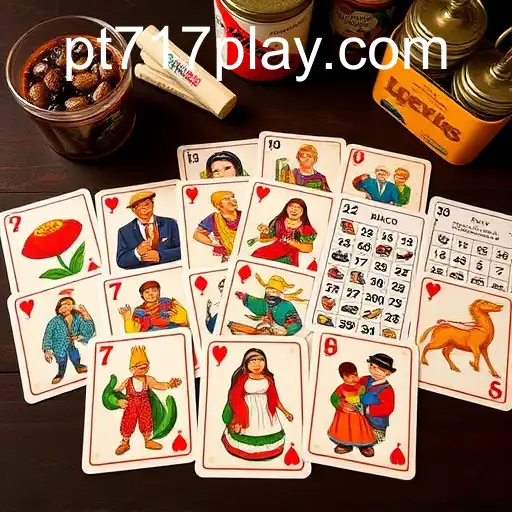
Each card in the Loteria deck features iconic images, often reflecting folk art and cultural symbols. Classic cards include 'El Catrin' (The Gentleman), 'La Dama' (The Lady), and 'El Alacran' (The Scorpion). Over time, the game has evolved to include modern symbols, allowing players to connect historical traditions with contemporary life.
The Elements of Loteria
Understanding Loteria necessitates a look into its key components: the deck of cards and the tabla, or board, used by players. Each deck contains 54 cards with distinct images, while players receive a board with a grid where these images are randomly placed. A caller announces a card, and players mark the corresponding images on their tabla. Winning combinations vary, ranging from complete rows to four corners.
The beauty of Loteria lies in its simplicity, making it accessible to all ages. Yet, beneath its straightforward nature lies a deeper cultural commentary, as each card traditionally features figures significant to Mexican heritage and lifestyles.
9486.comThe Modern Adaptation: PT717
In an age where technology permeates every aspect of life, adaptations of Loteria such as PT717 demonstrate the game's enduring appeal. PT717 represents a digital transformation of the classic format, accessible via smartphones and computers. While retaining the core elements of Loteria, PT717 introduces features such as online multiplayer modes, customizable decks, and educational value by integrating cultural references.
Despite these technological enhancements, the spirit of Loteria remains unchanged. PT717 continues to promote social interactions, offering a portal for cultural exchange and community bonding. This digital version serves as a bridge between generations, allowing younger audiences to connect with their heritage while engaging with modern technology.
Symbolism and Cultural Significance
The significance of Loteria extends beyond gameplay. Each card offers a glimpse into Mexican artistry and storytelling. For instance, 'El Borracho' (The Drunkard) is not merely a depiction but a representation of social critique. Similarly, 'La Sirena' (The Mermaid) connects players with mythical narratives and folklore.
In many communities, Loteria is more than a game; it is a tool for storytelling and education. Through its imagery, Loteria introduces participants to customs and traditions, artistic styles, and even historical events that remain pivotal in the tapestry of Mexican identity.
Loteria in Popular Culture
Loteria has permeated popular culture, influencing everything from art to fashion. Artists often reinterpret the traditional cards, using them as inspiration for new creations. Fashion designers incorporate Loteria motifs in their collections, paying homage to the artistry and vibrancy of the cards.VK7.games
Additionally, Loteria has made appearances in films, books, and music, highlighting its role as a cultural touchstone. Its recognizable imagery and themes resonate with audiences, creating a shared cultural language that transcends borders.9099.com
The Social Aspect of Loteria
A crucial aspect of Loteria is its ability to bring people together. Whether played at family gatherings, public festivals, or community events, Loteria fosters a sense of belonging and camaraderie. The game's role in strengthening community ties cannot be overstated, as it serves as a social equalizer, where anyone can join in and share in the collective experience.
73hIn recent years, Loteria has also served as a platform for social activism. By using the game to address contemporary issues, activists employ the cards creatively in campaigns to raise awareness and advocate for social change.
Conclusion
Loteria, as both a game and a cultural icon, offers an insight into the lives and traditions of those who hold it dear. While modern adaptations like PT717 continue to expand its reach, the heart of Loteria remains rooted in its ability to connect people through shared cultural experiences. Its universal themes of community, identity, and heritage ensure that Loteria remains a lasting fixture in the cultural landscape.